-
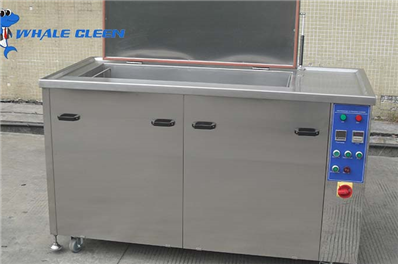 Why Do Ultrasonic Cleaners Need Degassing? The Key to Unlocking Peak Performance
When using an ultrasonic cleaner, many users focus on power settings, cleaning solutions, and cycle duration but overlook a critical step:degassing. This process, which removes dissolved gases from the liquid, might seem minor, but it significantly impact
-
 Is Ultrasonic Cleaner Power High? Why? Understanding Power Ratings and Their Impact on Cleaning Performance
Ultrasonic cleaners are widely used in industries ranging from manufacturing to healthcare, but many users wonder about their power consumption and why high power is often emphasized. Understanding the relationship between power and cleaning efficiency is
-
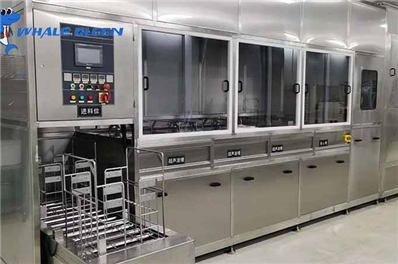 How to Modify Ultrasonic Cleaner Power: A Comprehensive Guide for Safe and Effective Adjustments
Introduction to Ultrasonic Cleaner Power Adjustment Understanding power modification is crucial for tailoring cleaning performance to specific tasks. This guide covers legal, technical, and safety aspects of adjusting ultrasonic cleaner output (typical
-
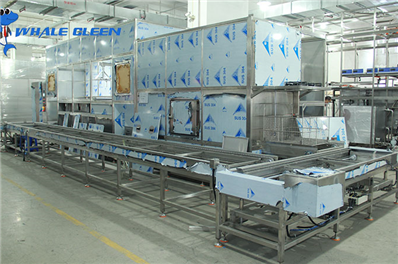 Hydraulic Valve Body Dead‑End Grease Is Hard to Remove – What Are the Practical Ultrasonic Cleaning Tips?
In any hydraulic system, the valve body is the command center. Its internal network of intersecting oil channels, precision spool bores, and tiny flow passages directs the flow, pressure, and direction of hydraulic fluid. A single valve body may contain d
-
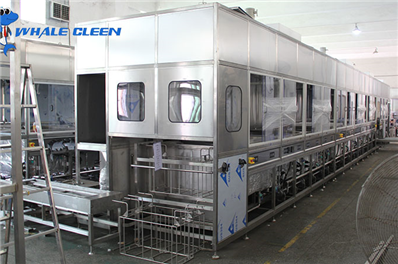 Precision Metal Stamping Parts Cleaning: Key Ultrasonic Equipment Selection Points — Why Whale Cleen Delivers Consistent, Damage‑Free Results
In high‑volume metal stamping production, cleaning is a process that is often underestimated—until it becomes the bottleneck. Stamped parts emerge from the press coated with heavy stamping oil, microscopic metal fines, and occasionally coolant residues. L
-
 Why Do Ultrasonic Cleaners Heat Up? The Science Behind Temperature Rise and Practical Solutions
Ultrasonic cleaners have become essential tools in various industries, from jewelry cleaning to industrial parts maintenance. Many users notice that during operation, the cleaning solution and the device itself gradually heat up. This phenomenon often rai
-
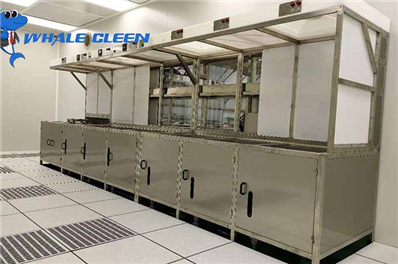 How to Choose the Right Power for Ultrasonic Cleaners: A Data-Driven Guide
Shocking Fact: 60% of Ultrasonic Cleaners Waste Energy Due to Wrong Power Selection A factory lost$47,000/yearin electricity costs because their 30kW cleaner only converted15% of energyinto effective cavitation. Meanwhile, another plant damaged delicat
-
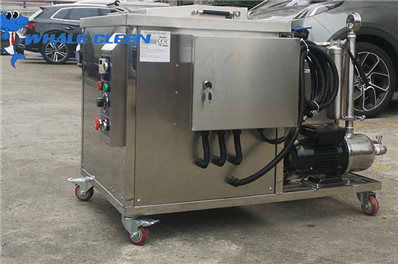 How to Choose Ultrasonic Cleaner Power: The Ultimate Guide to Avoid "Bigger is Better" Pitfalls
When shopping for an ultrasonic cleaner, have you ever been overwhelmed by the variety of power ratings—40W, 80W, 120W, 300W, and beyond?Is higher wattage always better? Too weak, and cleaning is ineffective; too strong, and delicate items may get damaged
-
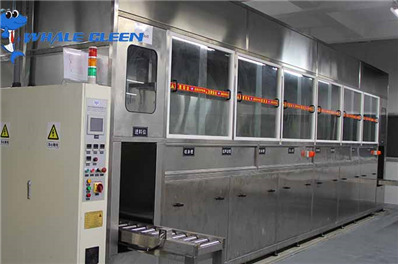 How to Reduce Ultrasonic Cleaner Noise: Effective Solutions and Practical Tips
Ultrasonic cleaners are widely used in industries, laboratories, and medical facilities for their efficient cleaning capabilities. However, the noise they produce (typically 65-85 dB) can be disruptive and even harmful with prolonged exposure. Understandi
-
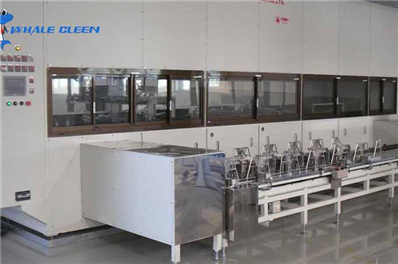 How to Optimize Ultrasonic Cleaning Machine Efficiency
Introduction In today's fast-paced industrial environment, efficiency is paramount. Ultrasonic cleaning machines have revolutionized cleaning processes across various sectors, from healthcare to manufacturing. However, to maximize their performance
-
 What Dental Instruments Can Be Cleaned with Ultrasonic Cleaners? A Professional Perspective
In the field of dentistry, maintaining the cleanliness and sterility of dental instruments is crucial to ensure patient safety and prevent cross-contamination. Ultrasonic cleaners have emerged as a highly effective solution for cleaning a wide range of de
-
 How Does Ultrasonic Cleaning Machine Generate Vibrations?
Ultrasonic cleaning machines are widely recognized for their ability to provide deep, efficient, and non-destructive cleaning solutions across various industries. The core principle behind their effectiveness lies in the generation of high-frequency vibra